Visual Privacy in Glass Partition Design

Glass partitions are often selected for their ability to divide spaces without making an interior feel enclosed. In commercial environments, they help maintain natural light, openness, and visual connection between different areas.
At the same time, not every room should be fully visible from the outside.
For spaces such as HR rooms, management offices, boardrooms, consultation rooms, and client-facing meeting areas, visual privacy becomes an important consideration. These rooms may still benefit from the openness of glass, but they also require a level of discretion that clear glass alone may not provide.
This is where the right glass partition solution matters. Through different glass finishes, textures, tones, and system options, visual privacy can be adjusted to suit the function of each space while maintaining the clean, modern appearance of glass.
What Is Visual Privacy in Glass Partitions?
Visual privacy refers to how much can be seen through a glass partition. A fully clear glass partition provides maximum transparency, while other glass options can soften, blur, tint, or obscure visibility.
Unlike acoustic privacy, which focuses on sound control, visual privacy focuses on sightlines. It helps reduce direct visibility into a room without necessarily closing the space off with solid walls.
For example, a clear glass meeting room may work well for an open collaboration area, but may feel too exposed for HR discussions or executive meetings. A fully solid wall may provide privacy, but can reduce light flow and make the overall interior feel more enclosed.
Glass partition systems offer a middle ground. With the right solution, a room can feel private enough for its purpose while still supporting the openness and professional finish expected in modern commercial interiors.
Glass Partition Solutions That Support Visual Privacy
Different glass types and finishes create different levels of visual privacy. Some provide a soft, textured effect, while others offer stronger privacy, subtle tinting, or flexible on-demand opacity.
The right choice depends on how the space is used, how much visibility should be reduced, and the overall look the project needs to achieve.
Reeded and Fluted Glass
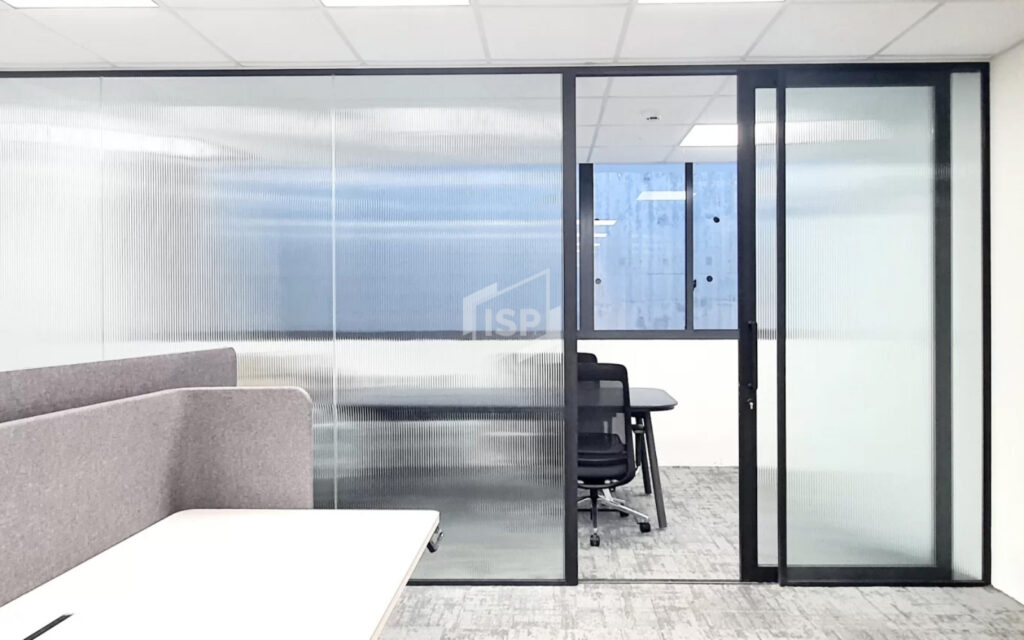
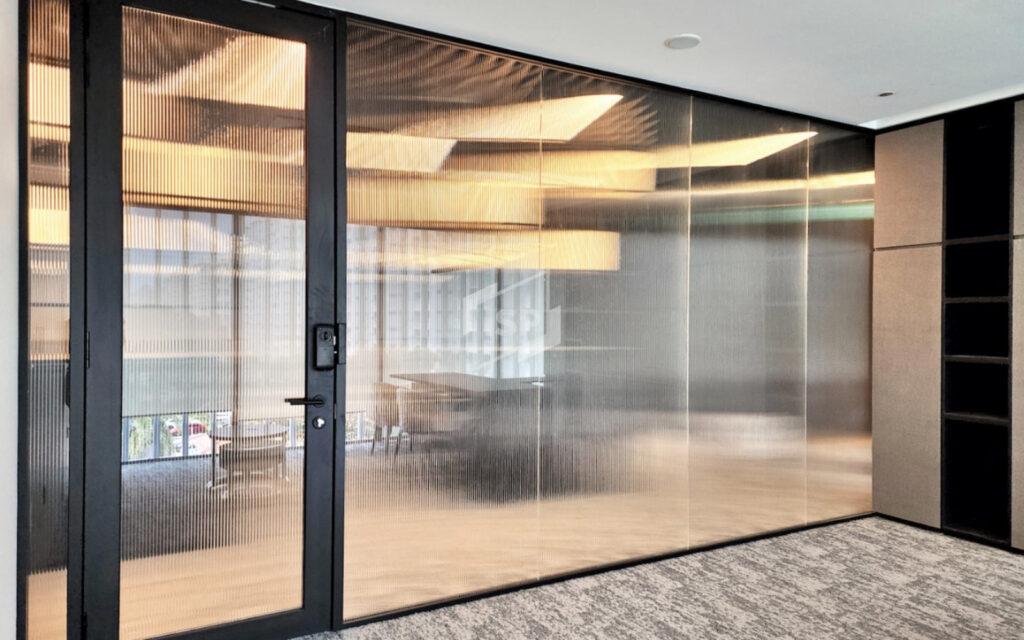
Reeded and fluted glass introduces privacy through texture. Their vertical lines distort the view through the glass, making details less visible while still allowing light to pass through.
This makes them suitable for spaces that need privacy without losing visual interest. The textured surface adds depth and movement, giving the partition a more distinctive architectural quality compared with plain, clear glass.
Reeded and fluted glass can work well in reception areas, client rooms, meeting spaces, private offices, and feature partitions. They are especially useful when the glass partition is not only functional, but also part of the design identity of the space.
Switchable Glass (also known as Smart Glass, or Magic Glass)
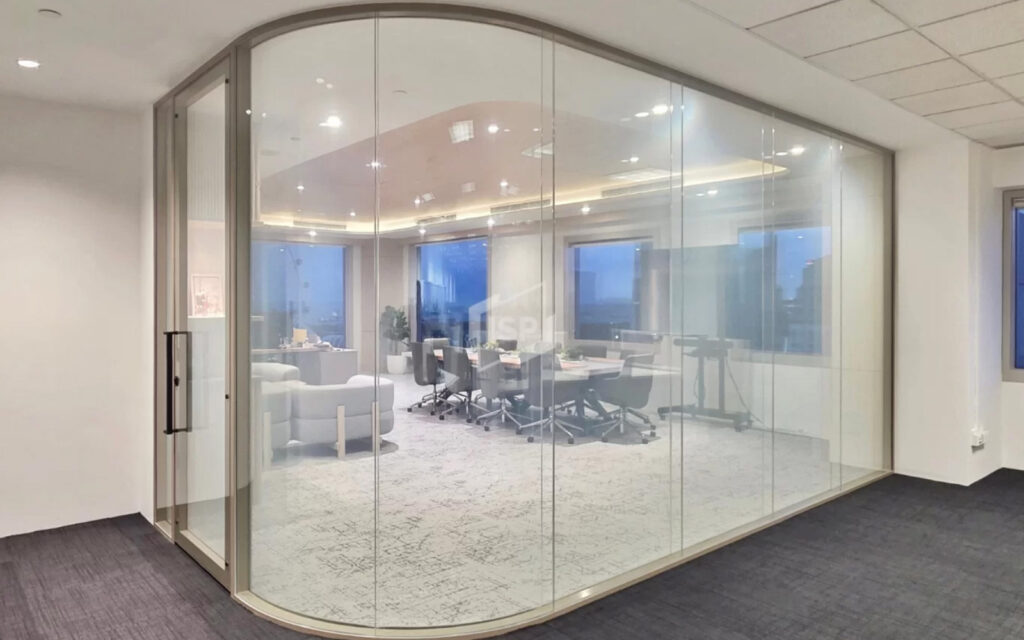
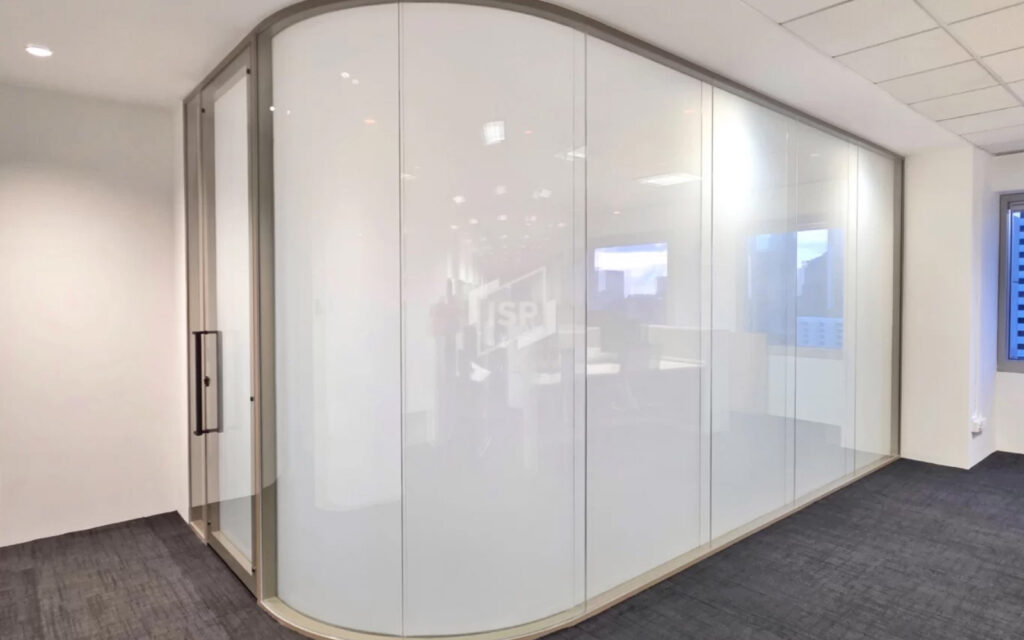
Switchable glass provides privacy that can change according to the situation. In its clear state, it functions like a transparent glass partition. When switched to opaque mode, it takes on a frosted appearance and reduces visibility through the glass.
This makes it suitable for rooms that need to move between openness and privacy. A boardroom, for instance, can remain visually open when not in use, then switch to privacy mode during confidential meetings, presentations, or discussions.
Switchable glass is also useful for consultation rooms, meeting rooms, and multi-purpose spaces where the level of privacy changes throughout the day. It allows one glass partition system to support different use cases without changing the permanent layout of the room.
Tinted Glass
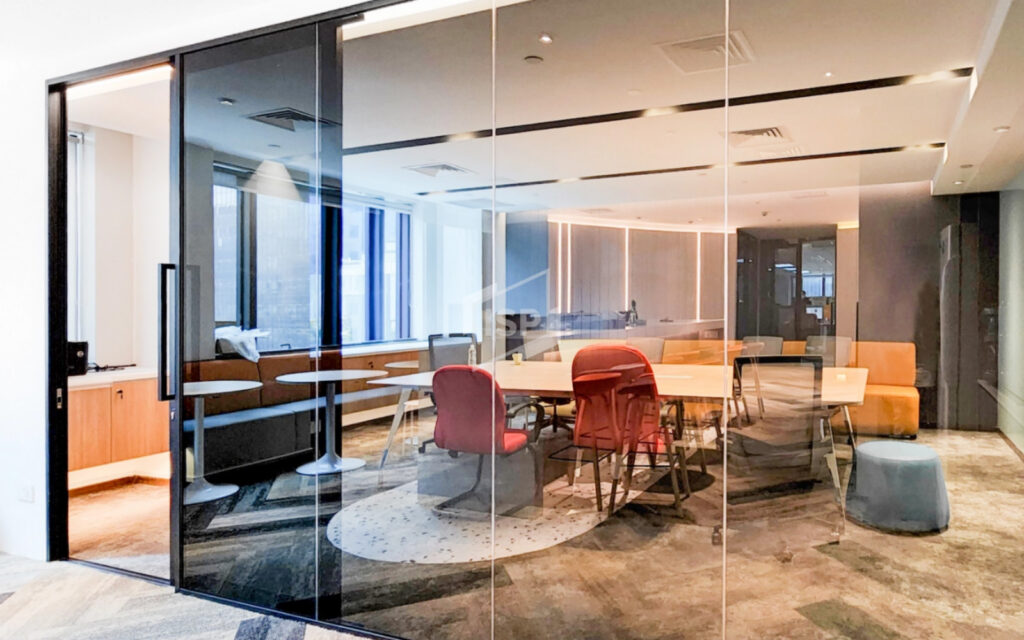
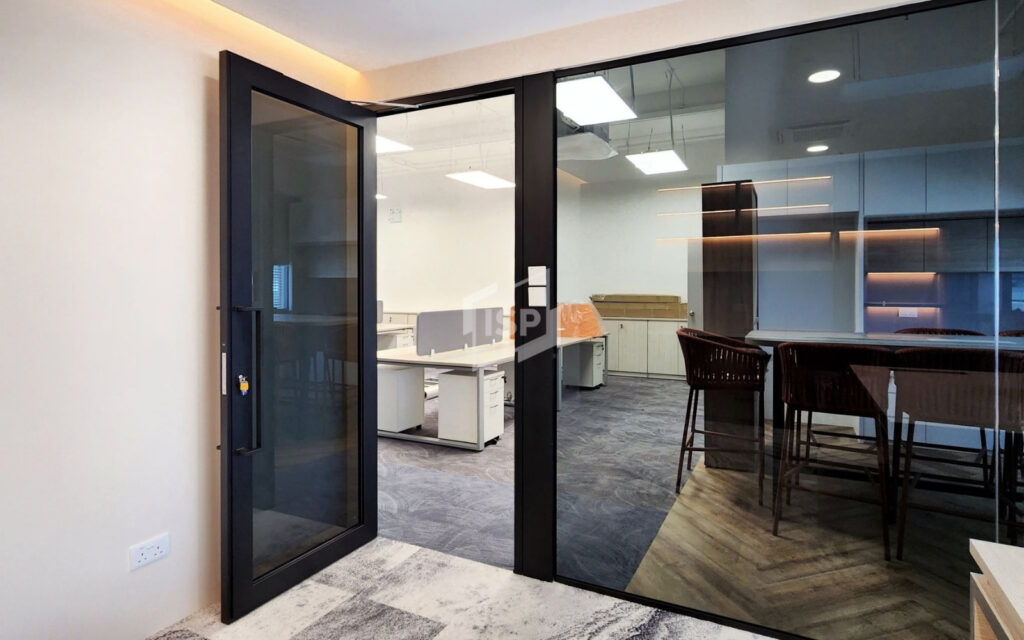
Tinted glass offers a more subtle approach to visual privacy. Rather than obscuring the view completely, it reduces direct visibility through colour and tone.
Grey and bronze tinted glass can make a room feel more composed and private, while still maintaining some level of transparency. The effect is more understated than frosted or switchable glass, making it suitable for spaces that require privacy without looking too enclosed.
Tinted glass is often used in executive offices, boardrooms, client-facing rooms, and premium commercial interiors. It can help create a more refined atmosphere while still supporting visibility, light, and spatial continuity.
Frosted Glass
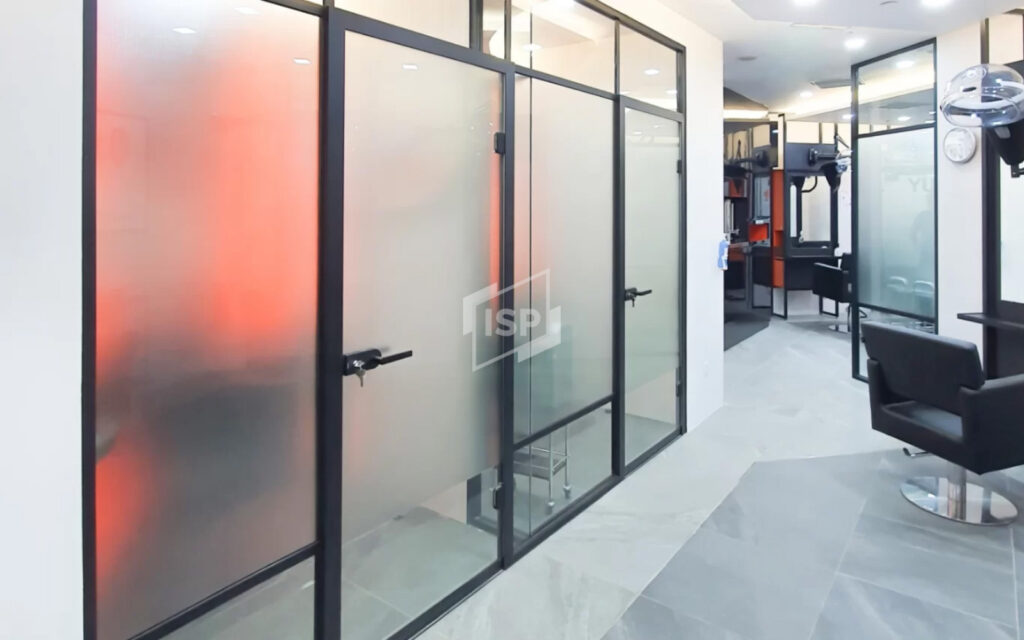
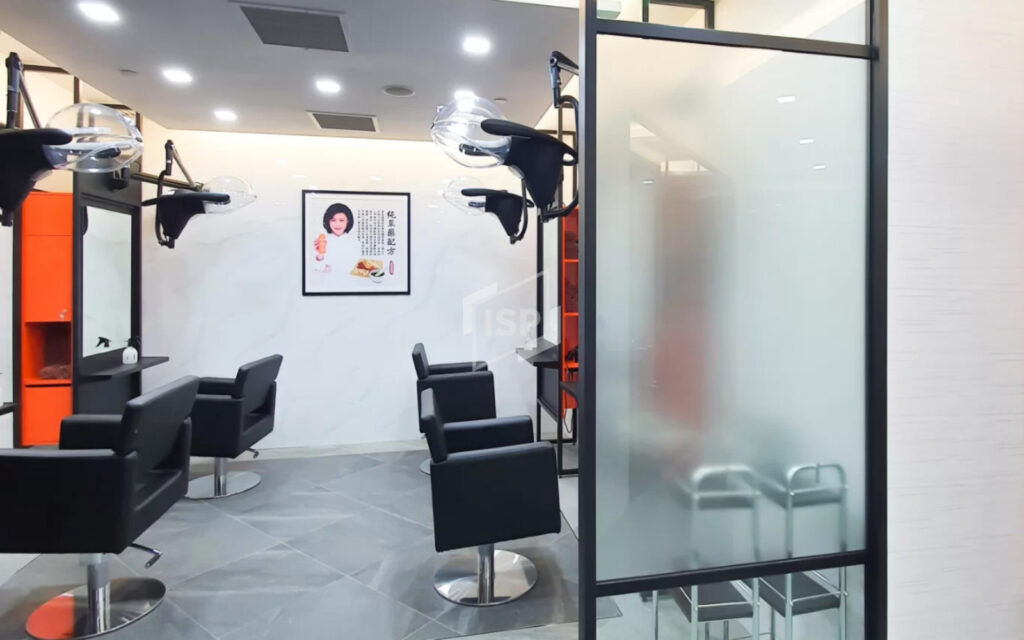
Frosted glass provides a more direct level of visual privacy. It diffuses the view through the glass, making it difficult to see clear details from the other side while still allowing light to pass through.
This makes it suitable for rooms where discretion is important, such as HR rooms, consultation rooms, private offices, and internal meeting rooms.
Frosted glass can be used across the full panel for stronger privacy, or applied only to selected areas where partial screening is needed. This allows the glass partition to remain bright and professional while reducing unwanted visibility.
Finding the Right Privacy Solution for Each Space
Not every commercial space requires the same level of privacy. Some rooms only need a slight softening of visibility, while others require stronger visual screening. The level of visibility created by a glass partition can affect how a room is used, how private it feels, and how well it supports the purpose of the space.
This is why the choice of glass matters. Reeded and fluted glass can soften direct views while adding texture. Switchable glass gives rooms the flexibility to move between openness and privacy. Tinted glass creates a more composed and refined sense of separation, while frosted glass provides stronger visual screening for spaces that require greater discretion.
By selecting the right glass finish and partition system, designers and clients can achieve different levels of visual privacy without losing the openness, light, and professional finish that glass partitions are valued for. The result is a workspace that feels considered, functional, and aligned with the way each room is meant to be used.


