A Practical Guide to Office Glass Partitions and Acoustics

A well-planned office layout is not only about how spaces connect visually, but also how they perform day to day. The same glass partition system may not suit every room, especially when privacy and acoustics differ across the workplace.
This guide covers common office room types, suitable acoustic expectations for each, and practical ways to match them with ISP’s partition systems.
Why room type matters more than using one standard solution
Not all enclosed rooms serve the same purpose. Some spaces are built for confidentiality. Some are built for collaboration. Others are meant to reduce distraction in an otherwise open workplace.
When the same system is applied across every room without considering usage, the experience can feel inconsistent. A room may look complete, but still feel uncomfortable to use if sound travels too easily.
A more effective approach is to start by defining the room type, then aligning system choice with both acoustic and functional needs.
Understanding STC in a simple way
STC stands for Sound Transmission Class. It is a rating that helps indicate how well a system reduces sound passing through from one room to another.
In offices, STC affects:
- How much speech can be heard outside the room
- Whether conversations feel private and comfortable
- How well do meeting rooms support productive discussions
A higher STC generally provides stronger sound isolation, which is especially important in spaces where confidentiality matters. With that in mind, we will start by looking at general office spaces that require practical sound separation, before moving towards rooms that demand higher privacy and stronger acoustic performance.
1) Breakout rooms and collaboration spaces
Breakout spaces support informal discussions, quick catch-ups, and collaboration. These rooms do not always require full confidentiality, but they should still feel comfortable and separated enough to be usable.
Typical requirements
- Comfortable acoustic separation
- Efficient design for smaller spaces
- Flexible door options depending on layout
Recommended: SOLO Glazed System (single glazed)
- Door STC: 28 to 35
- Glass Panel STC: 31 to 38
SOLO Glazed System is commonly used for breakout rooms as it provides practical sound separation while keeping the space open and functional. It also offers multiple door options such as frameless doors, framed doors, and sliding doors, allowing designers to choose what best suits the room’s size, traffic flow, and intended use.
2) Personal offices and individual work rooms
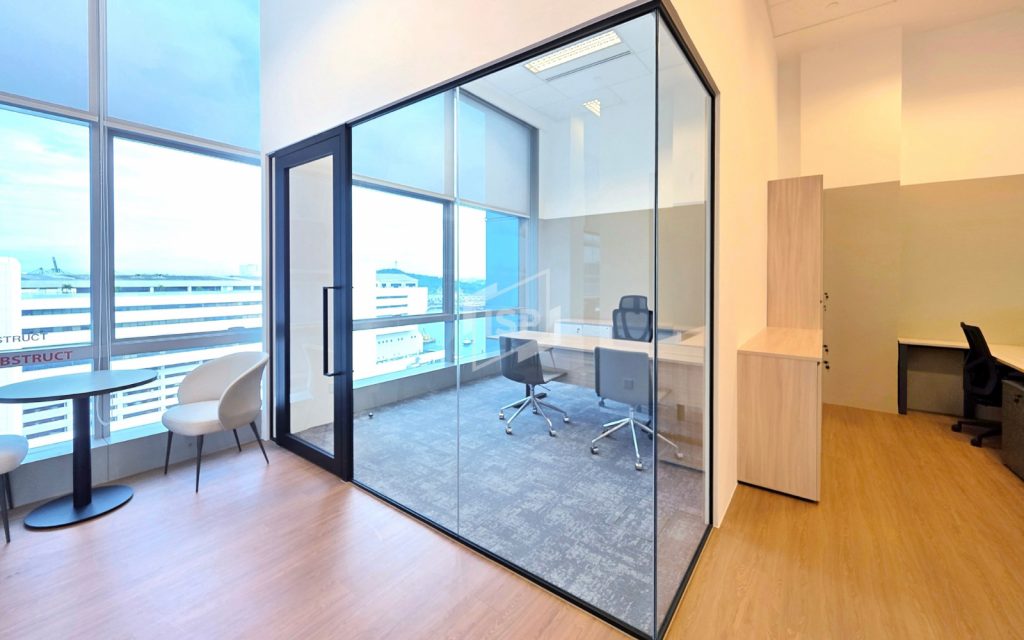
Personal offices are commonly used for focused work, small discussions, and calls. These rooms benefit from reduced distraction, but acoustic requirements vary depending on where the room is located and how it is used. In many office layouts, personal offices are placed near open work zones, which makes basic sound separation important for comfort throughout the day.
Typical requirements
- Reduced noise distraction
- Basic speech privacy
- A quiet space within an open environment
Recommended: SOLO Glazed System (single glazed)
- Door STC: 28 to 35
- Glass Panel STC: 31 to 38
SOLO Glazed System provides practical acoustic comfort while maintaining a clean and consistent office look. It supports everyday privacy needs while keeping the workplace bright, open, and efficient in space planning.
3) Standard meeting rooms and discussion rooms
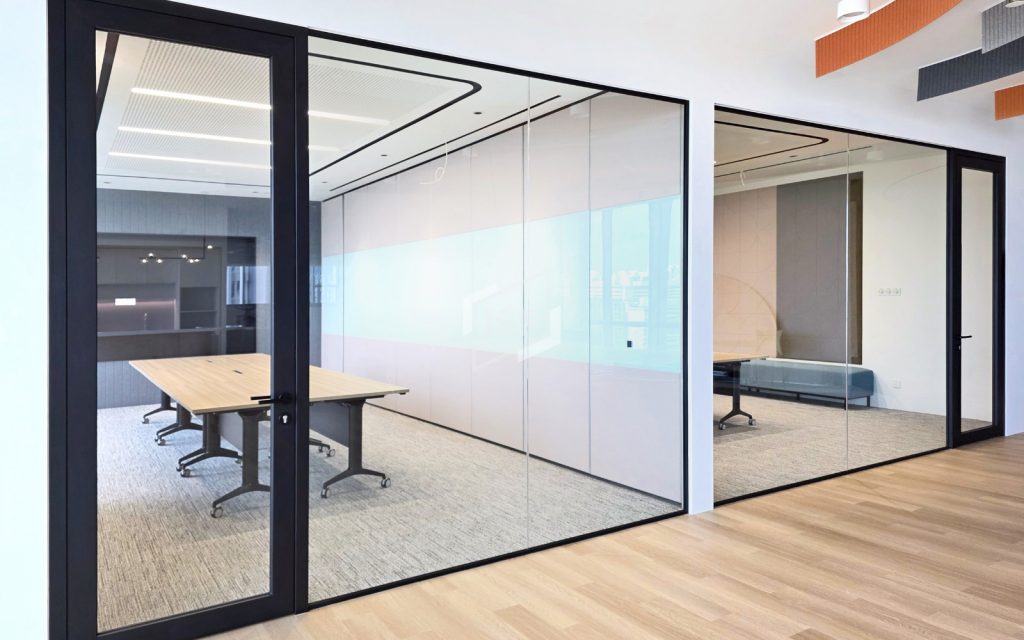
Standard meeting rooms and discussion rooms are often used for regular team meetings, client discussions, and quick internal conversations. These spaces need to feel comfortable and functional for daily use, especially when they are located near open workstations or along main circulation areas.
Typical requirements
- Practical acoustic separation
- Comfort for everyday meetings
- Balanced performance
Recommended: COMO Glazed System or SOLO / SOLO PLUS Glazed System, depending on usage
COMO Glazed System (double glazed)
- COMO Framed Door STC: 39 to 40
- COMO Glass Panel STC: 43 to 49
SOLO / SOLO PLUS Glazed System (single glazed)
- SOLO Glass Doors STC: 28 to 35
- SOLO Glass Panel STC: 31 to 38
SOLO / SOLO PLUS Glazed System can work well for discussion rooms and general meeting spaces where moderate acoustic separation is sufficient. COMO Glazed System is a stronger fit when meeting privacy is a priority.
4) Large conference rooms and boardrooms
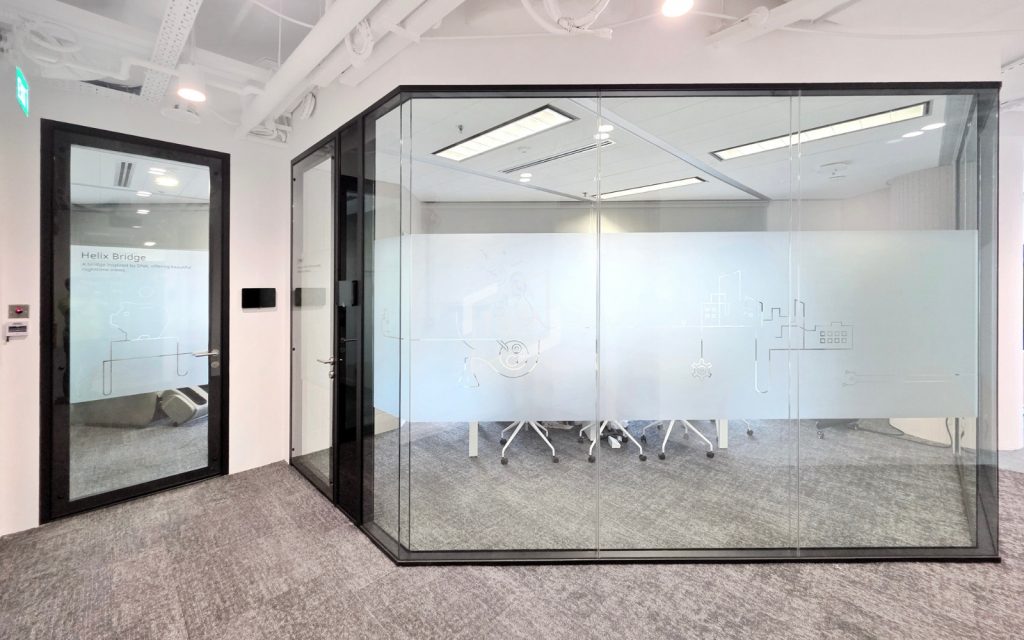
Large conference rooms and boardrooms are often used for longer meetings, presentations, and important discussions with larger groups. With more people speaking in one space, speech clarity and privacy become even more important to maintain comfort and reduce disruption to surrounding areas.
Typical requirements
- Reduced sound leakage to the surrounding areas
- Improved clarity and meeting comfort
- Higher privacy for sensitive discussions
Recommended: COMO Glazed System (double glazed)
- Door STC: 39 to 40
- Glass Panel STC: 43 to 49
For boardrooms and large conference rooms, COMO Glazed System is often preferred because it provides stronger sound isolation and supports better confidentiality. This helps create a more comfortable and professional environment for both internal meetings and external presentations.
5) Executive offices and confidential rooms
Executive offices are typically where confidential conversations happen, from sensitive calls to leadership discussions. These spaces often handle private matters and decision-making conversations, so acoustic performance plays a direct role in how secure and comfortable the room feels during day-to-day use.
Typical requirements
- High speech privacy
- Stronger sound isolation
- An enclosed room experience
Recommended: COMO Glazed System (double glazed)
- Door STC: 39 to 40
- Glass Panel STC: 43 to 49
COMO Glazed System is suitable for executive and confidential spaces because it offers higher acoustic performance and stronger privacy support. It helps ensure conversations stay contained while maintaining a clean and modern design.
In practice, glazed panels and acoustic glazed doors work hand in hand to complete the room experience. With the right door option and detailing, enclosed rooms feel more seamless to use while supporting privacy and overall acoustic performance across the workplace.
Acoustic Glazed Doors and Room Performance
A well-considered door setup helps the room feel more seamless and comfortable to use in everyday meetings. Door selection also shapes the overall user experience, especially in compact rooms or high-traffic spaces where layout and circulation matter.
Door planning should consider:
- Whether a swing door has enough clearance
- Whether sliding doors are more practical for compact spaces
- How often the room is used
- Door detailing and sealing to reduce sound leakage
When door type and detailing are aligned with room usage, the space performs better and feels more complete.
Bringing Room Types and Acoustics Together
The best office layouts are built around real usage. When room purpose, acoustic needs, and door planning are aligned early, the workspace becomes more comfortable, functional, and consistent. For rooms that require stronger confidentiality and acoustic performance, COMO Glazed System is typically recommended, while SOLO / SOLO PLUS Glazed System can be a suitable option for spaces that need practical acoustic comfort and design flexibility. With the right room-by-room planning, designers can achieve a workplace that stays open and connected, while still supporting privacy where it matters most.
If you would like support in planning your office partitions and acoustic requirements, feel free to contact us. Our team will be glad to assist with system recommendations based on your space and performance needs.


